Black Brooklynites Exit in Growing Numbers as Affordability Disappears—Ourselves Included
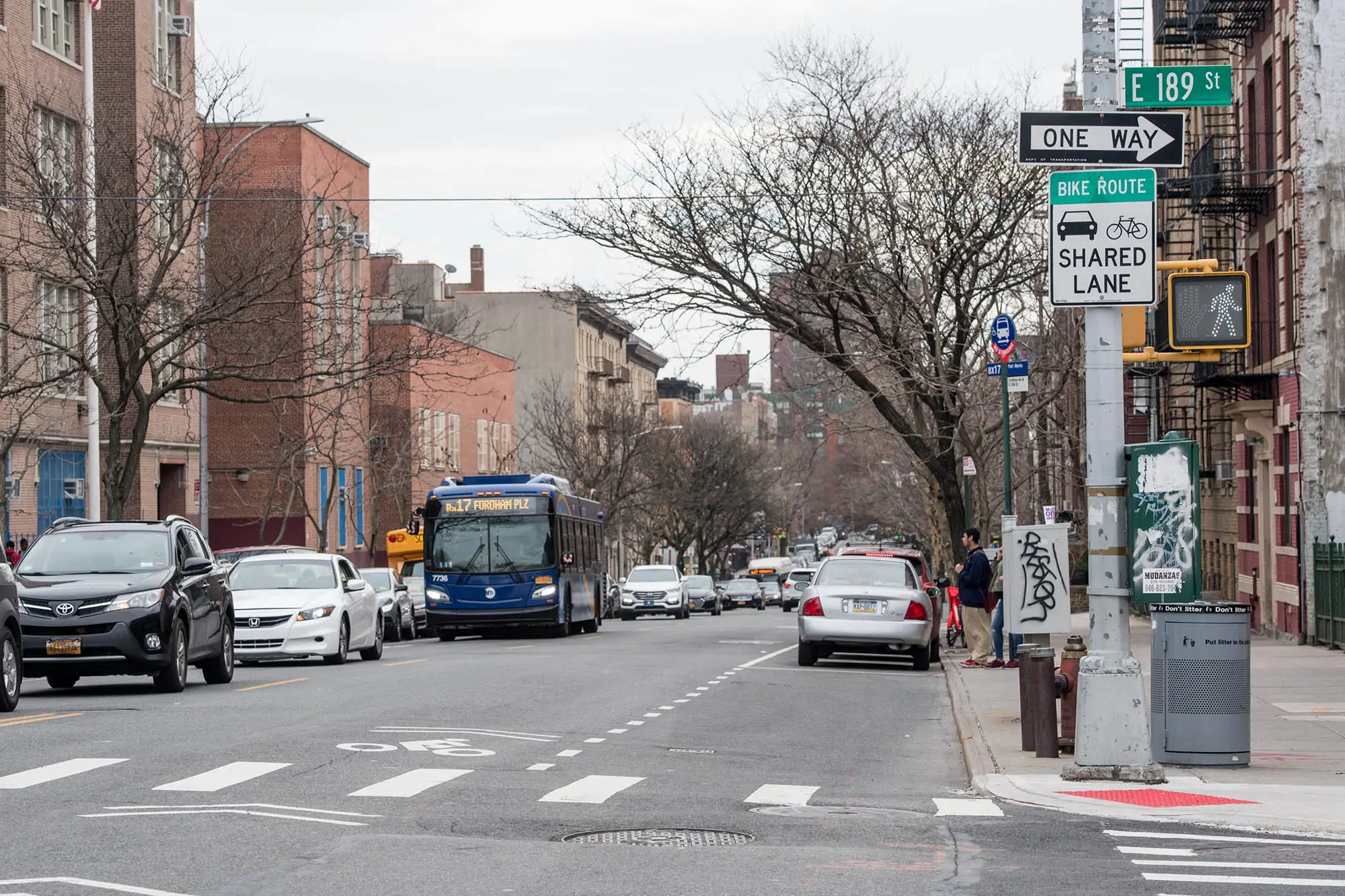
As the high cost of living drives out long-standing Black communities, New York City confronts questions about affordability, identity, and belonging in its own backyard.
Row upon row of brownstones in Bedford-Stuyvesant once signalled the enduring presence of Black Brooklyn—a mosaic of sounds, scents and neighbourly rituals. Today, they more often announce a seemingly endless influx of newcomers, and, in quieter ways, an exodus of those who shaped the borough’s character for generations. Over the last decade, the city has steadily shed Black residents, a demographic ebbing with little ceremony but considerable consequence.
The latest Census data are quietly damning: between 2010 and 2020, New York City’s Black population fell by more than 9%, dropping from roughly 2.1 million to just under 1.9 million. In Brooklyn alone, some 35,000 Black residents departed, ceding ground to new arrivals wealthier and in many cases whiter. Parade organisers, pastors, and proprietors of storied hair salons feel the thinning of their ranks even more acutely than the city’s demographers.
The city’s housing market is no small culprit. Median rents in central Brooklyn have surpassed $3,000—a figure that makes a puny mockery of the area’s median Black household income, which hovers near $50,000. Home values have ballooned at double-digit rates, pricing all but the affluent out of contention. Landlords chase higher-paying tenants, while would-be buyers find themselves outbid or simply outclassed by gentrification’s relentless arithmetic.
For those left behind, the transformation is visible and visceral. Coffee shops and artisanal bakeries materialise, even as corner bodegas shutter. Block associations thin out; decades-old churches post dwindling attendance. The inconveniences are not merely cosmetic: with Black residents dispersing to the suburbs—often to New Jersey or the more affordable fringes of Long Island—city council districts lose clout, businesses lose customers, and children lose extended networks of mentorship and familiarity.
The second-order effects radiate like cracked glass. City Hall must grapple with a demographic hollowing-out that portends—if not outright ensures—increased polarisation and a fraying social safety net. Black-owned small businesses, from fashion boutiques to legal firms, struggle as their clientele shrinks and urban policies increasingly favour high-end development. Harlem, long the symbolic capital of Black America, faces a similar fate: fewer Black New Yorkers means less political leverage, less cultural continuity, and ultimately, less say over the city’s economic trajectory.
Economically, the departures have subtle yet compounding effects. Black entrepreneurs, often unable to keep pace with eye-watering commercial rents, may shutter long before tourism boards notice. The new arrivals, typically earning twice as much, drive up prices further, inflating the cost of living for neighbours who once considered the borough home. Labour force participation studies suggest that families forced to move endure lengthier commutes and disrupted social networks, a strain seldom captured by aggregate employment statistics.
The pattern echoes similar migration stories in other coastal American cities—San Francisco, Washington D.C., and even Boston have all watched their Black populations slide over recent decades, replaced by a thicker buffer of well-remunerated professionals. Yet the New York story carries special weight. The city’s reputation as a haven for migrants, minorities, and upward mobility is part of its brand, baked into song and myth alike. What becomes of Gotham if its working- and middle-class Black population settles for leafy New Jersey exurbs or windswept Southern suburbs?
A city’s soul up for bid
There is irony in the fact that the same urban renewal efforts long promoted to “revitalise” struggling boroughs now risk eroding the very communities they promised to lift. Former mayor Bill de Blasio’s affordable housing initiatives were meant to stem this tide, but bureaucratic inertia and a bullish real estate market have combined to make those targets look meagre. Mayor Eric Adams, himself a son of Brooklyn, finds his administration hemmed in by budget shortfalls and a bottomless appetite for luxury condos.
The politics of out-migration are not lost on Albany. Legislators tout rent control expansions and voucher schemes, yet such measures appear tepid in the face of market forces and perennial NIMBY resistance from wealthier residents. The city’s own planning commission admits that new affordable housing lags prodigiously behind demand. Meanwhile, calls for reparative investment into historically Black neighbourhoods yield mostly studies and well-meaning panels.
Suburbia, for all its space, often falls short as a substitute for the cohesive communities left behind. Many Black families, moving to Union County, New Jersey, or Nassau County, Long Island, find lower rents but increased car dependence, more diffuse support systems, and a cooling civic ambience. The loss, then, is not only economic but intangible—a quiet fraying of tradition and urban kinship that rarely rates mention in planning documents.
Globally, this pattern recalls London, Paris, and other megacities where rising costs have gradually forced out ethnic minorities to commuter belts, robbing central neighbourhoods of their social texture. Such shifts cannot be entirely halted; indeed, cities have always evolved with migration and fluctuation. But New York’s case is especially poignant, given its vaunted history as an engine of social ascent and cultural hybridity.
We are sceptical, however, of appeals to “restore” New York to some fixed past. The city’s dynamism lies in its churn. Nevertheless, the unchecked pricing-out of communities brings with it costs: diminished diversity, anaemic local economies, and a flattening of the civic imagination. Policymakers who neglect these trends risk creating an urban archipelago of gilded enclaves and dislocated, longing exiles.
If the city fancies itself exceptional, it must ensure that exceptionality is not reserved for those able to pay dearly for it. Failing this test, New York may one day resemble not the melting pot of myth, but a collection of gated islands, diminished in soul and solidarity alike. ■
Based on reporting from Curbed; additional analysis and context by Borough Brief.