Mayor Zohran Mamdani has unveiled plans to rezone Brooklyn’s south-of-Prospect Park corridor, aiming for thousands of new homes near future Interborough Express tracks and the tangle of existing subway lines. Officials tout “transit-oriented develop…
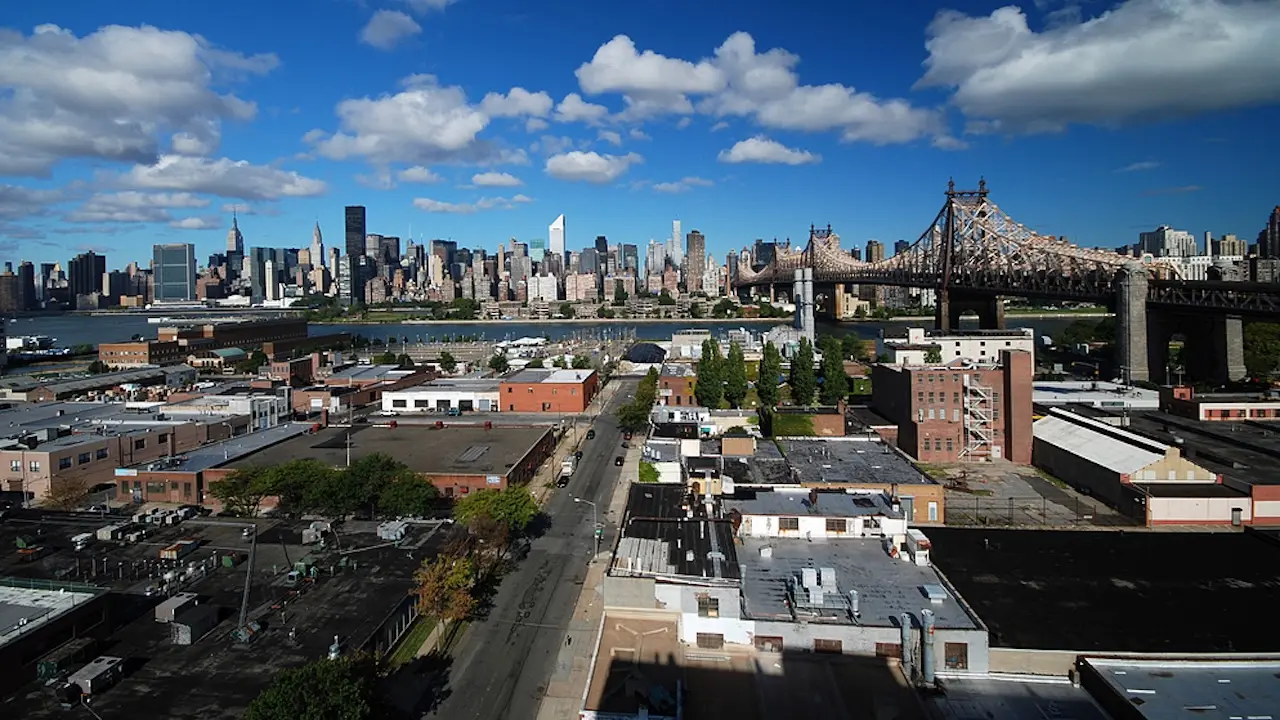
New York lawmakers have quietly revived a lapsed tax incentive for the River Ring complex on Brooklyn’s waterfront, gifting developer Two Trees millions in savings via the old 421a scheme—now freshly tailored to this project after it missed its original deadline. Around 30% of the 1,200 apartments promise affordability, though for taxpayers, this kind of developer deja vu is becoming a rather expensive local tradition.
Brooklyn Org pledged over $1.5 million in multi-year grants for 15 nonprofits on Wednesday, cementing its status as the borough’s philanthropic anchor. Beneficiaries range from arts outfits to youth programs; we note that, in a city where rent can swallow budgets whole, even a modest endowment is liable to stretch only so far—unless, of course, the dollars come with an instruction manual.
A pair of New Yorkers, Jason Alvarez of Corona and Brooklyn supplier Christopher Sanchez, were indicted on 65 counts after allegedly running a cocaine operation near P.S. 908Q in Queens, according to New York Attorney General Letitia James. Authorities seized three kilograms of cocaine and $93,000, while Sanchez’s attempt to flee—abandoning car, drugs, and some dignity—was foiled by some dogged, and likely bemused, investigators.
A bill before Congress would strip federal pension benefits from lawmakers convicted of grave sex crimes, redirecting the funds to victims—a rare instance of creative accounting with a moral twist. The measure covers both current and former members, though Washington’s track record for holding its own to account suggests we shouldn’t count votes—or chickens—too soon.
Brooklyn Borough President Antonio Reynoso has freed up $20,000 to buoy Coney Island’s beleaguered Mermaid Parade, whose organizers, Coney Island USA, scrambled for cash amid pandemic losses and opposition to a nearby casino plan. With GoFundMe and city grants now bringing them tantalizingly close to the $120,000 target, this year’s merfolk can expect one more shimmery swim down Surf Avenue—provided no sharks circle the balance sheet.
Gothamist
Sign up for the top stories in your inbox each morning.