Bronx Gains More Cops and a Split Command as NYPD Bets on Data and Equity
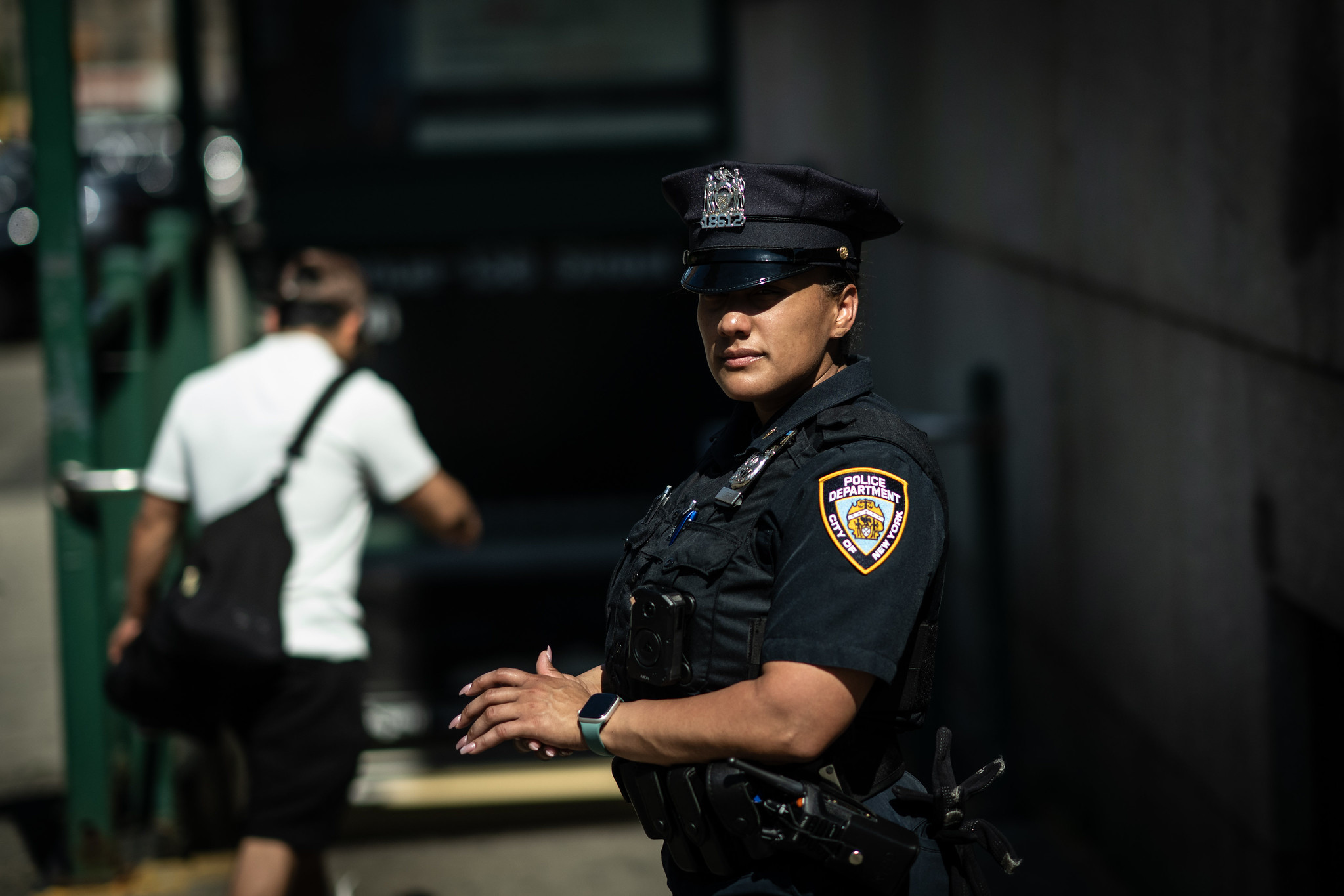
The division of police command in the Bronx marks a data-driven experiment in urban safety, with consequences for trust and order in New York’s most scrutinised borough.
For years, the Bronx lived with an unenviable distinction: it fielded nearly a million 911 calls in 2023, far outpacing any other borough in New York City. The numbers told a tale of perennial demand for police, frustrated community leaders, and borough-wide headlines one seldom associated with prosperity. Now, with the dawn of summer and the city’s cyclical jitters about crime in hot weather, the metropolis’s northernmost borough is the site of an administrative shake-up policymakers hope will recalibrate safety for its 1.4 million residents.
On June 5th, Jessica Tisch, the city’s police commissioner, announced the formal division of Bronx precincts into distinct north and south commands. This brings the borough in line with Manhattan, Brooklyn, and Queens, which split operational command years ago to better address their variegated urban realities. On top of this bureaucratic adjustment, nearly 200 more officers—plus new squads for homicide, evidence collection, auto crime, narcotics, neighbourhood liaisons, and supervisory roles—will reinforce the force’s Bronx presence.
Local officials made much of the timing. Mayor Zohran Mamdani, who presided over the announcement, cited an 11% drop in major offences citywide to date, with a 15% slide in the Bronx during April. Homicides for April stood at a paltry four cases—the lowest on record for that month in the borough’s chequered history. Such touts, delivered with the requisite mayoral caution, betray an awareness of New York’s seasonal patterns, especially the statistical spike around Memorial Day weekends, when warm air has long portended trouble.
Even as the city trumpets historic safety, officials remain wary. Their approach indulges neither bravado nor complacency. “The fact that the statistics count one story does not mean we need to accept it,” cautioned Mr Mamdani, fending off the self-congratulation that sometimes follows positive monthly crime charts. He and Commissioner Tisch made clear: expanding police presence is presented as proactive equity, not reactive panic.
For New Yorkers in the Bronx, the changes mean more than mere redrawing of command charts. Each new unit—specialist squads for homicides here, auto thefts there—heralds targeted expertise. Advocates hope this means faster response times, bespoke neighbourhood initiatives, and more attentive community policing. Detractors, ever sceptical of uniformed interventions, warn of overreach and surveillance, noting the scars left by past tactics in the borough’s most marginalised quarters.
The second-order effects of such a shake-up are not trivial. On one hand, greater resources and granularity of command allow police to fine-tune deployment, relieve officer fatigue, and—ideally—improve both effectiveness and the strained police-community relationship. On the other, the risk exists of mere administrative bloat or the redistribution of problems across precinct lines. Some worry about data-driven tactics tipping over into algorithmic zeal, a scenario hardly foreign to New Yorkers attuned to stop-and-frisk controversies.
From an economic vantage, safer streets bode well for the Bronx’s commercial corridors, which tend to lag those of southern Manhattan or trendy Brooklyn. Small businesses and schools stand to gain if improved security lowers insurance costs and persuades more shoppers and parents. If these interventions bring even marginal improvements in clearance rates for violent crime or car theft—a growing affliction—they could entail real dollar benefits, as well as the less quantifiable dividend of public confidence.
Politically, the move is a shrewd and overdue harmonisation with other boroughs, signalling that the Bronx, often an afterthought in the city’s resource allocation, now commands equal concern. But it also commits the mayor and NYPD brass to a new set of benchmarks. Should crime revert upward, they will no longer be able simply to plead the challenge of scale; two commands rather than one means two sets of statistics, and, presumably, two sets of excuses if things go awry.
Nationally, New York’s police reorganisation has few direct analogues, though city managers elsewhere increasingly turn to precinct-splitting in the name of operational flexibility. Los Angeles, for instance, boasts a sprawling system of regional commands. London, Paris, and other global cities have come to prize localised oversight, but also contend with the fragmentation and turf wars such structures can foster.
Safety and skepticism in equal measure
Yet the Bronx’s long association with policing excess complicates any sense of unalloyed progress. Older residents recall not just the “Fort Apache” era of the 1970s, but cyclical flare-ups and reform-that-wasn’t in more recent recessions, when blunt-force tactics eroded trust. The current crop of city leaders insists this is different, emphasising technology investments and the shift from meting out punishment to targeted prevention.
What lessons, then, might be drawn? If harm continues to ebb, New York will offer a template for cities struggling to balance scale, local responsiveness, and fair allocation of law enforcement. But the inverse looms if staff additions and subdivision fail to budge stubborn metrics: critics will charge that this is bureaucratic tinkering meant more to placate city hall and suburban nerves than to cure urban ills.
For now, the reforms come at a moment when New York is, in the mayor’s words, safer than ever—with nearly 1,900 guns removed from city streets this year alone. Memories are short and politics is seldom forgiving; should crime tick upward, the Bronx’s new experimental model will be one of the first in the dock.
Still, the arrangement neither guarantees nor precludes a further drop in violence. It merely endows local precincts and their commanders with more autonomy—and more scrutiny. Whether that proves a boon or a burden is not yet obvious.
In the end, the Bronx enters summer as both a case study in iterative reform and a test of whether bigger police budgets, split commands, and paperwork yield less crime or merely more bureaucracy. New Yorkers—and not just those north of the Harlem River—will be watching. ■
Based on reporting from El Diario NY; additional analysis and context by Borough Brief.