Cloudflare Steps Up Manhattan Web Defenses as Bots Outsmart Our Browsing Yet Again
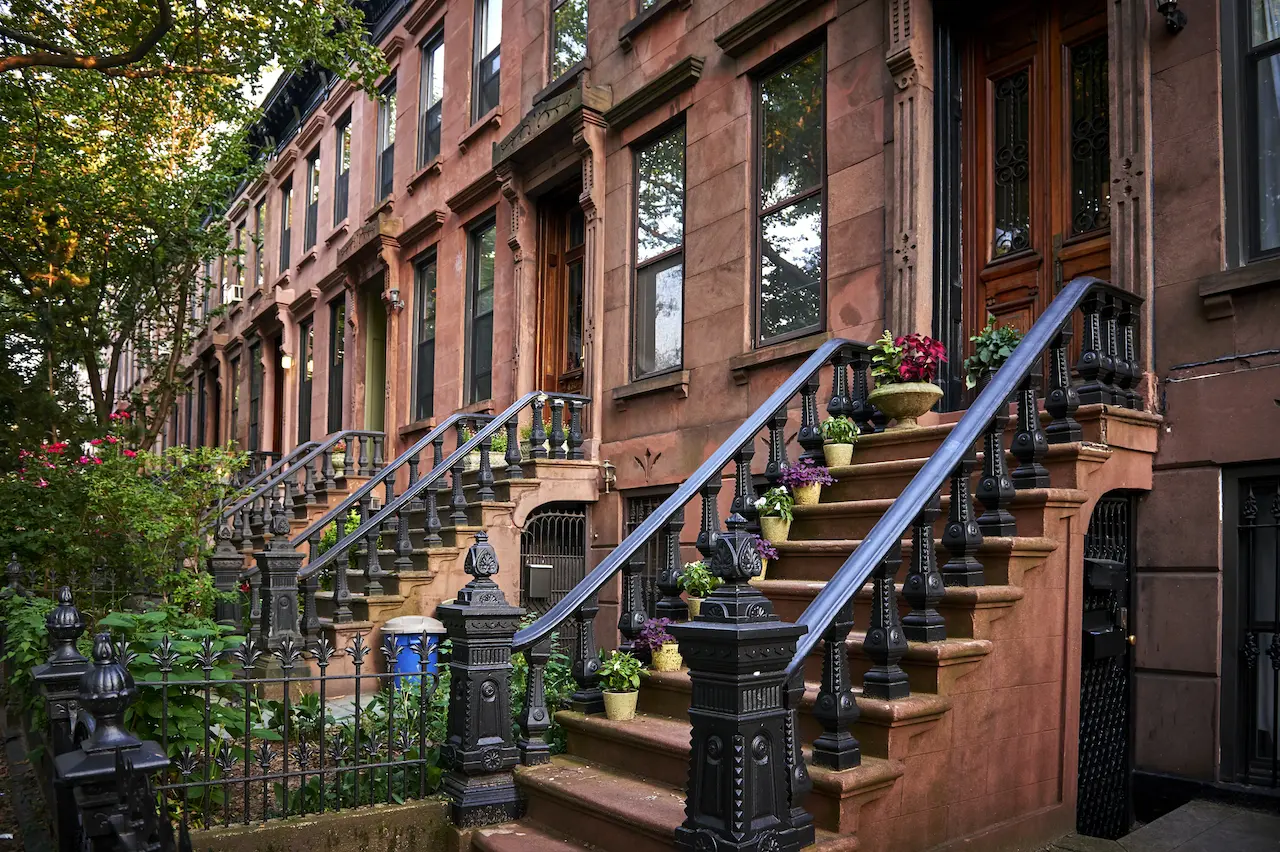
As New York City faces a surge of pedestrian injuries at intersections, a new Vision Zero report reignites debate over street safety, city priorities, and the pace of progress in America’s densest metropolis.
It has been a dangerous year to cross a New York City street. Since January, pedestrian fatalities have leapt by 18%, according to the latest analysis from the Department of Transportation. Each week brings fresh headlines of collisions from Harlem to Sunset Park, an uptick that has revived public anxiety—and invited scrutiny of the city’s approach to protecting those on foot.
The city’s Vision Zero initiative, now marking its tenth year, was meant to make such tragedies vanishingly rare. Unveiled in 2014 with Scandinavian zeal, the programme pledged a steady march toward eliminating traffic deaths entirely. Traffic-calming redesigns, lower speed limits, and aggressive ticketing of reckless drivers became the centrepiece of this scheme. Yet the new figures—135 pedestrian deaths in the past 12 months, up from 114 a year before—suggest that the effort is flagging at a particularly fraught time.
City Hall has responded as might be expected: scraps of new funding, vows to “double down” on enforcement, and splashes of bright paint at a handful of notorious crossings. On June 10th, Mayor Eric Adams announced an extra $25m budget for intersection upgrades, targeting about 100 locations by the end of next year. No bureaucrat or politician denies the gravity of the problem. But even boosters quietly concede the response has been tepid compared to both the scale—and sprawl—of the city’s 6,300 miles of street.
The immediate implications for New Yorkers are plain and personal. In Latin American immigrant neighbourhoods in Queens, across brownstone Brooklyn, and in the senior-rich enclaves of the Bronx, crossing the street now feels palpably riskier. Local advocates point to the persistence of “left hook” collisions, where vehicles turning left mow down unsuspecting walkers. While the DOT has installed more “leading pedestrian intervals”—lights giving those on foot a head-start—such measures cover only a minor fraction of the city’s vehicular churn. Meanwhile, the uneven geography of improvements means some communities, typically poorer ones, still wait years for basic safeguards like raised crosswalks or daylighting.
Beyond safety, the pedestrian carnage gnaws at the region’s self-image as a walker’s paradise and underscores deeper urban anxieties. MTA subway ridership, long the habitual alternative to driving, remains stuck below pre-pandemic levels. That is partly due to fears, both real and imagined, of crime and squalor underground—but also reflects a wider sense that the city’s public spaces, above or below ground, no longer function as intended. The uptrend in street injuries dampens commercial activity, dissuades the elderly and parents from venturing out, and chips away at New York’s vaunted street life.
The economic consequences may not be immediately visible, but they are far from puny. Hospitalizations from traffic crashes cost city residents over $400m annually, the state health department estimates. Lost productivity, insurance claims, and property damage push the toll higher still. If New York is to attract tourists and lure back office workers, restoring faith in basic urban navigation seems hardly ancillary.
Politically, the matter is a perennial headache. Every traffic death now spawns a cascade of calls to defenestrate the DOT, recriminations over enforcement, and allegations of bias in where improvements occur. The city’s car-owning minority—around 46% of households—views many Vision Zero measures as covert anti-driver campaigns, resenting curb extensions and new traffic cameras as mere irritants. Meanwhile, mass-transit advocates and pedestrian lobbies push for swifter, broader action, demanding the city wrestle curb space from vehicles to create “walk-first” streets.
Some elements of the current predicament are unique to New York: its density, antiquated street grid, and the sheer mix of delivery vans, e-bikes, and Lyfts vying for space. But the trend is not solely a local one. Across the United States, pedestrian deaths in 2023 reached their highest level since 1981, surpassing 7,500 according to the Governors Highway Safety Association. Critics fault the ballooning size of SUVs and pickups, now the deadliest vehicle type for those outside them, as well as uneven progress in redesigning inhospitable arteries built for speed over safety.
Progress and friction in pursuit of Vision Zero
Other cities provide instructive lessons—and some grounds for optimism. Oslo and Helsinki, both similarly dense but far swifter in implementing design overhauls, have nearly eliminated traffic deaths. Even in American cities such as Seattle and Hoboken, comprehensive redesigns, coupled with relentless enforcement, have yielded multi-year stretches without a single pedestrian fatality. These examples suggest Vision Zero’s approach, if executed with sufficient zeal and political cover, can deliver more than just aspirational rhetoric.
Yet New York’s political will appears as patchy as its crosswalk paint. Budget battles, logistical inertia, and backlash from vocal motorists have slowed the rollout of street improvements. (On average, the city redesigns barely 1% of intersections each year.) The mayor trumpets pilot projects—such as Broadway’s plaza conversion—but broad, citywide application remains maddeningly elusive.
One must also reckon with shifting priorities as the city emerges from the pandemic era: a Metro desk’s worth of crises now compete for funding and attention, from migrants flooding shelters to soaring NYCHA maintenance bills. Critics say Adams and his predecessors have grown risk-averse, pursuing incrementalism rather than the kind of systemic overhaul the data portend. It hardly helps that state politics hamstrings automated enforcement: the city cannot install new speed cameras without Albany’s blessing.
To us, the case for drastic, data-driven change is robust, if not irrefutable. Street safety interventions enjoy a decent evidence base and—in a city whose core competitive advantage is density—ought not be considered optional. Though the car lobby protests, New York’s economic and social prospects are bound to its walkability, not its parking.
Good intentions are no substitute for sustained ambition and follow-through. If the city wants to avoid backsliding toward 1970s-style urban chaos, it would do well to look not only to Europe, but also across the Hudson, for examples of modest but meaningful progress. More engineering, less dithering: that is the path to fewer sirens on Sixth Avenue, and to restoring a sense of civility on the city’s bruised pavements. ■
Based on reporting from Documented; additional analysis and context by Borough Brief.