Five Years On, Legal Weed Generates $3.3 Billion and 600th Dispensary for New York
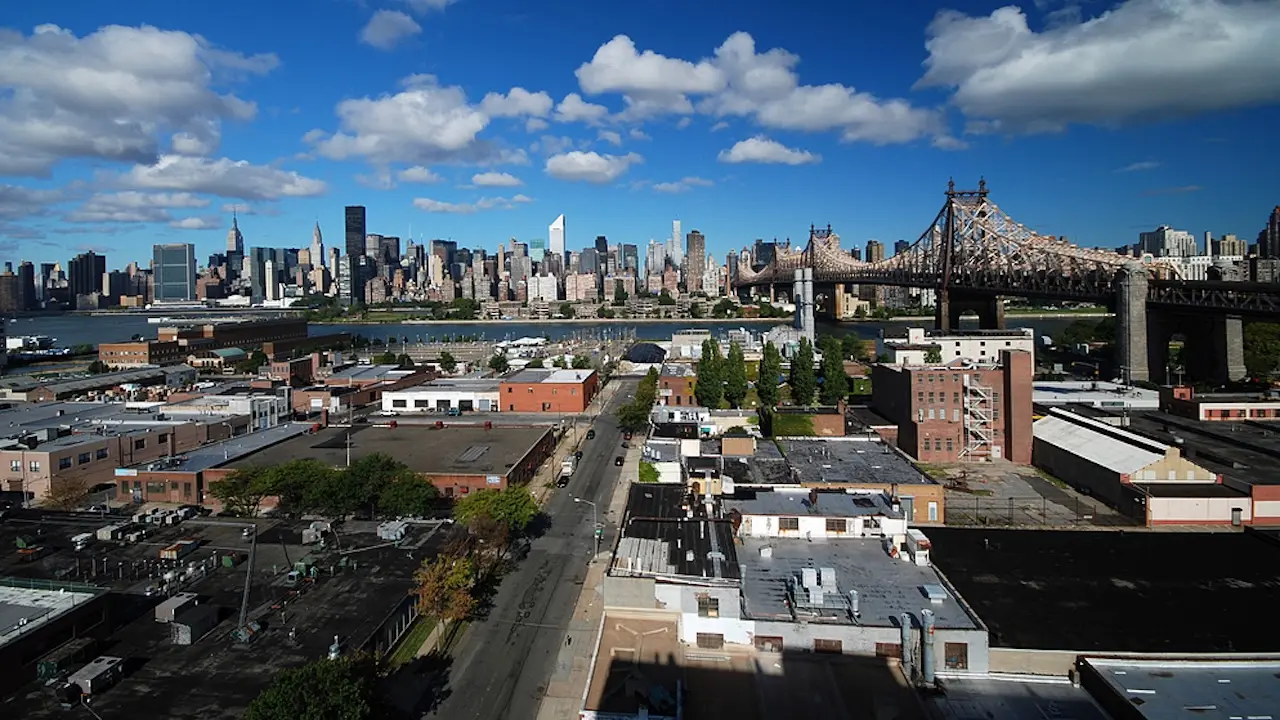
Five years after cannabis legalization, New York’s progress is as patchy as its skyline—marked by high hopes, regulatory stumbles, and an unexpected flowering of both legal and illegal trade.
Michael Rodriguez, a Bronx native, has spent much of the last three years inching toward a long-promised goal: legally opening Pure Blossoms, a modest dispensary on Manhattan’s Upper West Side. His story mirrors the journey of New York’s cannabis market, five years after legalization—a path marked by miscalculations, bureaucratic fits and starts, and a growing, if fractious, industry now worth $3.3 billion in retail sales.
New York legalized marijuana for adult use in 2019, vowing not only to unlock a lucrative new sector but also to redress the scars left by decades of lopsided enforcement. Five years later, state regulators trumpet over 600 licensed dispensaries and more than 2,000 adult-use licenses issued. Yet for every legal storefront ribbon-cutting, there is a fuller story—of legal wrangling, persistent illicit sales, and a state still learning how to police and profit from permissiveness.
Rodriguez’s experience is telling. Though he secured an early license, his progress toward opening was delayed by a remarkable snag: the state’s Office of Cannabis Management miscalculated crucial details—most notably, the required buffer between his store and a nearby school. One foot made the difference, stalling his launch and draining money on an idle lease. The tribulations may sound minor, but they have real stakes for small operators navigating an intricate thicket of state rules and shifting enforcement priorities.
Still, among some New Yorkers, there is a sense of cautious validation. “You never knew what you was getting in the streets,” says Eddie Feliciano, a local resident, voicing a widespread, if understated, relief at the relative transparency of licensed shops. Now, buyers know their THC from their terpenes, and can count grams as well as change. For many, it is not merely legal cannabis on offer, but the trappings of legitimacy, quality control, and some modicum of certainty.
But the fog of confusion has not entirely lifted. While the legal market takes cautious steps, untold numbers of unlicensed outlets—often little more than hastily converted bodegas—continue to ply their wares, emboldened by sporadic enforcement and tepid legal consequences. State officials report having seized over $20 million in illicit cannabis and shuttered nearly 600 illegal shops last year. Yet these figures, however substantial, seem a modest dent in a sprawling gray economy that likely eclipses the official one in both volume and streetwise dynamism.
This brings problems. Every illegal operator undercuts tax receipts, saps business from the compliant, and exposes consumers to inconsistent dosing and quality. For policymakers, the spread of such shops points to something awkward: legalizing does not always equate to regulating, let alone controlling. One could be forgiven for thinking New York has, at times, merely legalized confusion.
More heartening, perhaps, are the state’s attempts to fulfill promises of social and economic redress. Of the licenses granted so far, 56% have gone to so-called Social and Economic Equity (SEE) applicants—chiefly, those with cannabis convictions or who hail from over-policed neighborhoods. Rodriguez, who grew up under a regime of heavy-handed enforcement, is emblematic of this effort. “It is time to give back to the people the injustices were done to,” he says. The numbers have edge; yet whether front-end inclusion will translate to lasting advantage, as competitive pressures grow and deep-pocketed players eye Gotham’s cannabis gold rush, remains an open question.
The economic boost is plain. New York’s market is now among the largest in the nation, with potential to rival perennial frontrunners like California and Colorado. The broader city has benefited, at least in headline terms, from new jobs, revived storefronts, and fresh flows of tax revenue—a sum not yet transformative, but non-trivial for a city with chronic budget gaps. Landlords, especially in tepid retail corridors, again have paying tenants.
A tale of two cannabis cities
Yet beneath the official narrative lies a tale of uneven distribution—and risks of repeating familiar urban mistakes. Dispensaries have sprouted fastest in gentrifying pockets and commercial arteries, not the working-class neighborhoods most stung by the old enforcement regime. Meanwhile, access to capital, credit lines, and legal expertise remains a stubborn barrier for many SEE licensees. New York talks a buoyant game about restorative justice, but the race is quietly tilting toward better-resourced newcomers as regulations multiply.
Politically, the saga portends headaches. Governors and mayors now face the awkward task of ensuring both robust compliance and visible progress on equity, all while public sentiment sours over persistent illegal trade. Lawsuits over the allocation of retail licenses, as well as continuing confusion about buffer zones and compliance, risk further delay. If officials are not careful, the city’s patchwork dispensary regime could morph into another chronically unequal industry.
Nationally, New York’s experience stands in contrast to the freewheeling West. California continues to grapple with its own black market, but with fewer regulatory stumbles; Colorado’s regime is mature, predictable, and less prone to legal hiccups. To New York’s credit, its learn-as-you-go approach has placed equity front and center. Less charitably, its lack of alacrity has birthed a comical surfeit of pop-up pot shops and legal ambiguities.
For all this, we remain cautiously optimistic. The cannabis market’s maturation is measured not in single-year profits but in steady expansion, effective oversight, and steadily shrinking gaps between aspiration and outcome. New York, with its peculiar blend of ambition and bureaucratic improvisation, is belatedly showing signs of learning from its missteps. If the city is to avoid its customary fate—where noble intentions are mugged by legal arcana—it must simplify compliance, reinforce enforcement, and, above all, stick to its equity pledges.
A market once shrouded in illegality and caprice is, slowly, yielding to structure and transparency. For entrepreneurs like Rodriguez, that change is more than symbolic; for New Yorkers, it is a test of whether good intentions can outpace inertia.
■
Based on reporting from NYC Headlines | Spectrum News NY1; additional analysis and context by Borough Brief.