Freeze Claims 25 Lives in Two Weeks as Mamdani Faces Backlash and DSS Head Exits
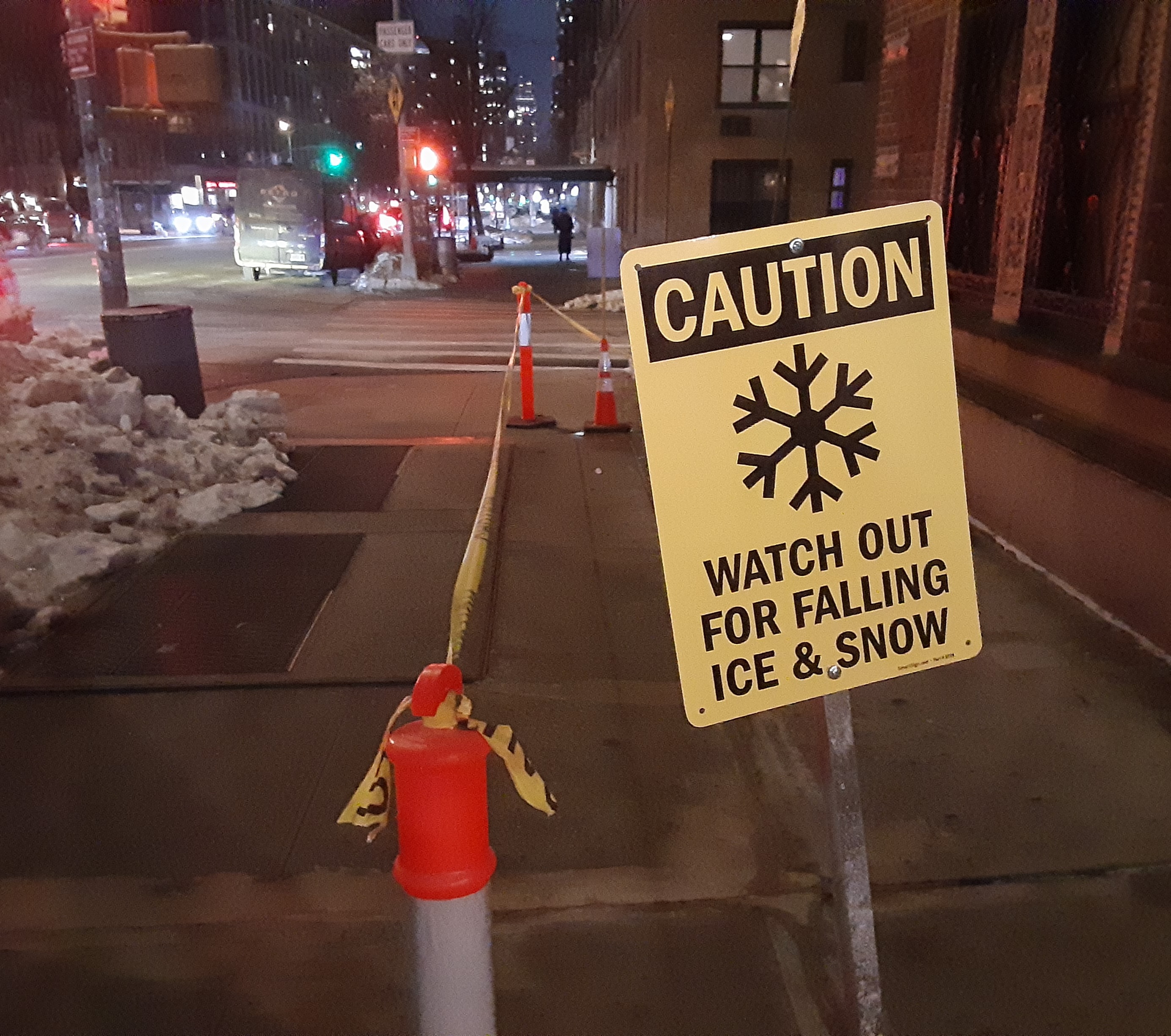
Record deaths during New York’s frigid winter prompt scathing scrutiny—and a social-services shakeup—as the city reckons with shelter and leadership shortfalls.
Death, for New York’s homeless, has rarely been so cold. Over a fortnight spanning late January and early February, the city registered 25 fatalities due to hypothermia—seven in private residences and 18 exposed to the bitter elements outdoors. In a place where resilience is legendary and winters are familiar, such a tally is both exceptional and distressing.
These bleak statistics come as Zohran Mamdani, the city’s newly inaugurated mayor, faces his first serious crisis. On Monday, with public outrage mounting, Social Services Commissioner Molly Wasow Park tendered her resignation, punctuating a turbulent week for City Hall. Park’s abrupt departure followed a bruising city council hearing in which lawmakers berated officials for what they described as “deficiencies in community care, shelter capacity, and mental-health services,” as Council President Julie Menin put it.
The specific circumstances behind the most recent deaths remain largely under wraps. Yet, the city admits a grim common thread: each was a case of exposure, with hypothermia the official cause. Even before Park stepped down, she told council members that the city was pacing for “a year out of the ordinary—tragic, truly,” and conceded, with a note of professional pride, that while her department had responded “creatively” under duress, the toll pointed to systemic failings.
The Code Blue protocols, activated whenever temperatures threaten lives, are intended to prevent precisely this kind of carnage. They trigger additional outreach, temporary warming shelters, and relaxed shelter-admission policies. But the blizzard of bureaucratic measures proved insufficient: the subzero spell laid bare how the labyrinthine shelter system, already straining under rising rent and stubborn mental-health crises, faltered when most needed.
The sheer scale of death this winter upends recent trends. In a typical year, city officials say, between 10 and 20 homeless New Yorkers die of exposure. That total has now been breached in barely two weeks, the highest since comparable records began. Unusually, several recent victims perished not on city streets, but huddled in their own homes—an ominous sign given soaring utility costs and patchwork heating systems, particularly in the city’s aging housing stock.
Political tempers, never balmy at City Hall, have begun to run especially chilly. The mayor, only weeks into his tenure, confronts pointed questions about both staffing and strategy. Commissioner Park, for her part, had reportedly sought to retain her post but found herself gently nudged toward the exit, as the administration recalibrates its welfare bureaucracy mid-crisis. Such turbulence portends further turnover across social policy portfolios, a prospect that bodes little comfort to frontline providers bracing for the next cold snap.
The second-order implications for New Yorkers sprawl beyond mere numbers. The spike in deaths refocuses public anxiety on longer-term problems—namely, an overburdened shelter network, lackluster mental-health interventions, and legal ambiguities over eligibility for emergency housing. The city’s right-to-shelter mandate, itself the subject of recent litigation, is in practice stretched to breaking point; newcomers, especially the recently unemployed or those living doubled-up, can still slip through the cracks.
National lessons from a city’s winter ordeal
Other American cities, from Chicago to Boston, have contended with icy surges of their own, but New York’s ordeal is pronounced. It remains the only large U.S. city with a court-ordered guarantee of shelter for those in need (Callahan v. Carey, 1979), a provision that ought, in theory, to render hypothermic deaths exceedingly rare. That so many still died on icy sidewalks exposes the pragmatic limits of even comparatively robust social safety nets.
Nor is the pattern unique to the United States. Globally, cold-weather mortality among the urban poor remains a stubborn affliction, from Paris’s périphérique to the railway underpasses of London. Where cities have achieved progress, it tends to reflect a grim arithmetic: more staff, more funding, fewer eligibility hoops. Toronto, for example, fielded nearly double New York’s per capita spending on winter homelessness this year, and has reported markedly fewer exposure deaths, according to municipal figures.
For New York, the path forward will require shifting resources and expectations alike. The mayor’s office has signalled a review of both shelter capacity and field outreach protocols, though details remain paltry. Longer term, mitigation may depend less on hurried emergency measures and more on preventive investments: retrofitting decrepit housing, boosting income supports, and shoring up access to psychiatric care. These remedies, while costly and politically taxing, are cheaper than the recurring public-health crises—and, perhaps more importantly, preserve the city’s claim to decency.
We regard the city’s current predicament as neither wholly novel nor wholly avoidable. Cold kills, but it does so most predictably where civic infrastructure is weakest and political will tepid. The numbers from this winter offer a sharp rebuke to complacency—yet also a hard lesson for city planners from Stockholm to San Francisco. When programs that worked passably in milder years suddenly perform feebly in extremis, incremental reform is no longer enough.
Should New Yorkers expect perfection? Of course not. But the city can—and must—do better than another “abnormal” year marked by dozens of preventable deaths. The hope, faint but not entirely fanciful, is that this latest tragedy will finally thaw the sclerotic routines of city bureaucracy and prompt a more candid reckoning with homelessness in the world’s most scrutinised metropolis. ■
Based on reporting from El Diario NY; additional analysis and context by Borough Brief.