New Federal Tax Perks May Return Up to $4,000 in 2025 for New Yorkers
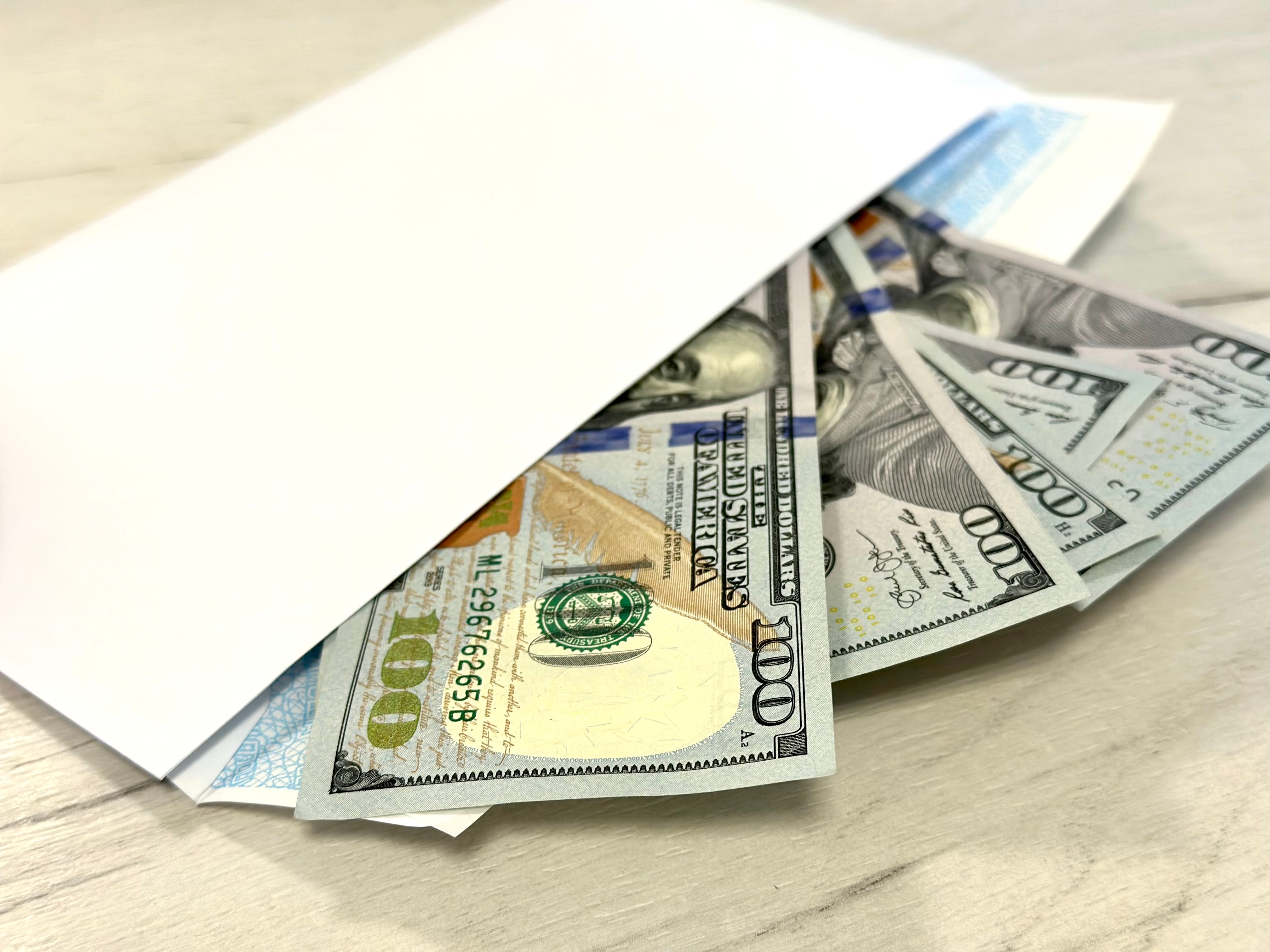
Temporary tweaks to federal tax law could bulk up refunds for millions of New Yorkers—if they can decipher the fine print.
Last year, more than 3 million New Yorkers received an average tax refund of $2,800—a sum that, for many, could make or break a month’s rent. Next year, restless filers may see even fatter envelopes: a suite of tax changes, slipped into federal law and set to last until 2028, will alter the tax calculus for retirees, families, tip-earning workers, and those who buy new American-made cars. If the Internal Revenue Service (IRS) can get the word out and filers can thread the paperwork, some city families stand to recoup as much as $4,000 over their 2025 bill.
The new tax regime, announced quietly this spring, introduces or expands a raft of incentives aimed squarely at the urban middle and working class. The most generous—an augmented standard deduction—offers seniors up to $6,000 extra in write-offs, while parents are treated to a $200 bump per Child Tax Credit, now $2,200 per eligible tyke. The policy bundle loses its lustre after 2028, when most provisions are scheduled to expire.
This fiscal turn is more than a technical footnote. In a city where rent, groceries, and subway fares climb faster than wages, pocketing an extra $700 or more at tax time brings a dose of relief. Social Security recipients—the fastest-growing bloc of taxpayers in the five boroughs—may find their annual bill trimmed by about $720, provided their adjusted gross income sits beneath $75,000 for singles or $150,000 for couples.
On the household level, the changes are unflashy but potent. Families juggling ever-steeper daycare and housing costs will welcome the higher Child Tax Credit—a meaningful, if modest, balm for struggling parents. The credit, available for each child under 17 with a valid Social Security number who lives most of the year in the home, comes just as New York’s own city and state credits have stagnated in the face of inflation.
Workers who rely on tips—waiters, baristas, door attendants—now face looser rules. For the next four years, up to $25,000 of tips and some $12,500 in overtime can be shielded from federal tax, if reported correctly on the IRS’s Schedule 1-A form. In a city where declared tips often spell the difference between a modest living and penury, this is a subtle but significant shift.
Car buyers, too, have something to note: up to $10,000 in interest paid on new, US-assembled vehicles is now deductible. This gesture to domestic manufacturing may strike Manhattanites as irrelevant, but for outer-borough families—who bear the brunt of long commutes and lack reliable transit—it could nudge more buyers toward the dealership. Car status aside, the IRS’s arcana proliferate: only vehicles with the right “final assembly” in the United States qualify, requiring citizens to check their VIN or consult IRS bulletins.
For the city as a whole, the ripple effects are many and varied. Boosted refunds can mean brisker retail sales in February and March, plumping up the city’s anaemic post-holiday economy. For lower-income families and precariously employed residents, the additions plug gaps that Covid-era aid programmes left exposed. On the other hand, the temporary nature of the measures—the fiscal cliff of 2028 looms—breeds uncertainty. Will landlords, grocers, and utilities ratchet up prices if they suspect wallets are briefly flush?
There are also less savoury byproducts. NYC’s accountants, who already groan under an annual onslaught of forms, may find Schedule 1-A’s new complexity a boon—or a bureaucratic quagmire. The IRS, for its part, faces a steeper enforcement challenge: each new carve-out and deduction offers fresher terrain for honest error or opportunistic abuse. Audit rates, particularly among cash-earning workers, are likely to rise as the agency seeks to claw back misclaimed refunds.
A patchwork solution, more ornate than robust
Viewed more broadly, the package places America in better company among peer nations, many of whom have long tilted tax policy toward families, pensioners, and low-wage workers. Compared with Europe’s lavish child allowances and straightforward retirement credits, the US’s latest tweaks still look piecemeal and perversely labyrinthine.
For New York’s political class, the interim tax breaks pose an awkward dilemma. In Washington, lawmakers tout them as proof of a government nimbly easing cost-of-living pains. Local leaders, however, know well the perils of slapping Band-Aids on chronic wounds: when 2028 arrives and newfound deductions evaporate, voters may demand to know why their refunds have shrunk. This, too, is a footnote in America’s chronic allergy to long-term tax reform.
And yet the measures, if seized with both hands, have the potential to do genuine good. Unlike pandemic-era one-off cheques or obscure incentives, these changes are squarely focused where pain is felt most—families with children, tip earners, the elderly straining on fixed incomes. For a city flagged by grinding inequality, even an extra $1,000 per tax cycle is meaningful.
The greatest risk is that New Yorkers—famed for their resourcefulness, notorious for their paperwork aversion—let the benefits slip away unclaimed. The IRS’s guidance, like much government prose, is unlikely to win translation prizes or facilitate uptake among the non-English-speaking, the busy, or the bewildered. Nonprofits and city agencies must fill the gap if the windfalls are to reach their intended targets.
On balance, the new rules amount to fiddling, not reform. Still, in an unforgiving city, even small tweaks to the rules of the fiscal road are worth a brisk stroll down the fine print. If nothing else, they offer proof that American tax policy, for all its labyrinthine opacity, occasionally nods toward the needs of real people.
Would-be beneficiaries should look sharp while the window remains open. The city’s accountants are sharpening their pencils; the IRS, its red pens. In the meantime, every extra dollar found in a refund is a quiet victory for the city’s embattled taxpayers—provided they remember to claim it. ■
Based on reporting from El Diario NY; additional analysis and context by Borough Brief.