NYPD Sends 200 More Officers to Bronx, Bets on Training Over Tradition
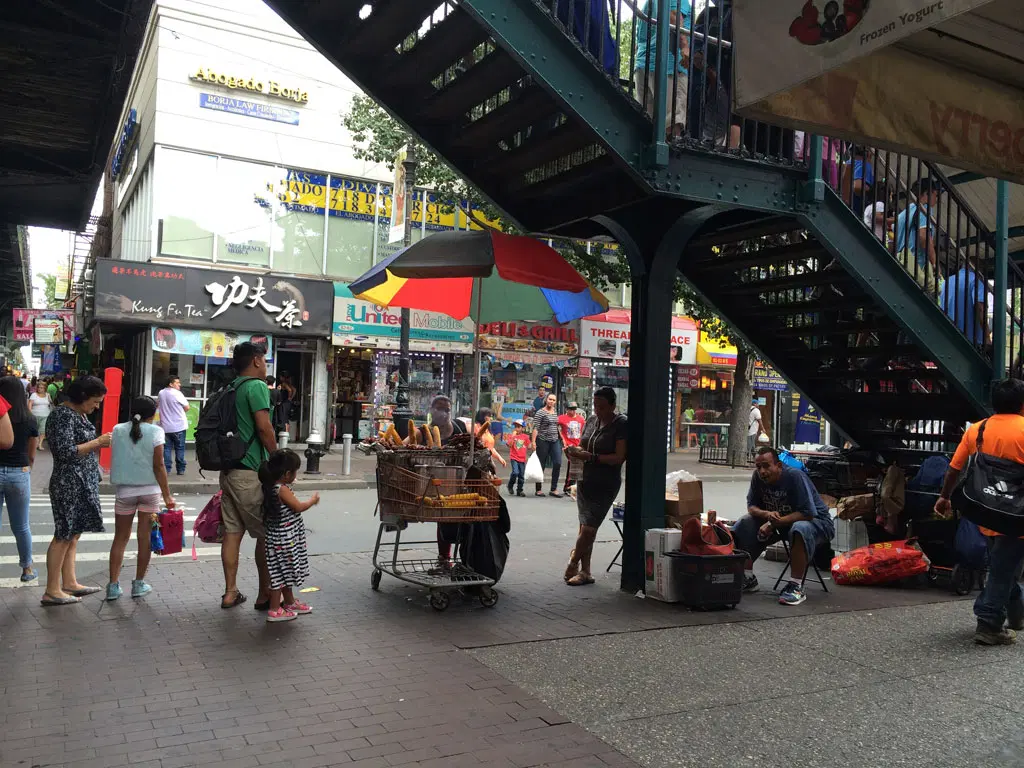
As the NYPD rolls out an influx of officers and upgraded training across the Bronx, New York wrestles with safeguarding both security and trust.
Few places rack up as many police press conferences as the Bronx, but even by the borough’s standards, Tuesday’s declaration was notable. At the annual State of the NYPD address, Police Commissioner Jessica Tisch pledged 200 new officers to bolster the city’s northernmost borough—a sizable uptick after years of retrenchment and budgetary anxiety. “The state of the NYPD is strong,” Tisch intoned, proclaiming a renewed focus on “precision policing” as she described a force in the midst of both statistical progress and structural overhaul.
This is not merely reshuffling the deck. Those 200 new officers—alongside cohorts of homicide detectives, narcotics teams, evidence crews, and Neighborhood Safety Teams—are tasked with staffing a newly balkanized Bronx, now to be split into Bronx North and Bronx South patrol commands. The—perhaps unwittingly—military ring of these changes belies their deeper intent: to pair visible policing with a recrafted internal culture. To that end, the department will now demand regular instruction in constitutional policing, de-escalation, and judicious use of force.
For a metropolis habitually sceptical of both crime statistics and those who brandish them, these measures are meant to portend a turning point. January’s murder and shooting figures dropped to their lowest since records began—yet borough president Vanessa Gibson was among those who reckoned 200 fresh officers a puny response to persistent anxieties. “Residents say they do want to see the police presence, they don’t want to be victims of a crime,” she told reporters, voicing a common refrain of city politics: that safety, so long as it is not merely statistical, is perennially elusive.
The overhaul, however, is about more than sheer numbers. In renaming the NYPD’s academy after Detective Steven McDonald—an emblematic figure tragically paralyzed in the line of duty—Ms Tisch signals a bid to cultivate not just muscle, but morality. Even the department’s chaplaincy is to be revamped, led by Cardinal Timothy Dolan and the Rev. A.R. Bernard: a high-wattage duo representing a gesture at spiritual renewal as well as administrative.
This dual track—tougher enforcement accompanied by loftier ethical aspirations—reflects the city’s fraught attempt to restore faith in its blue line. The commissioner, who took office amid accusations of a “leadership crisis,” has not shied from purging practices and personnel she deemed out of step with contemporary scrutiny. Such moves have, if nothing else, staved off the more ardent calls for defunding simmering since 2020.
Yet the operational challenges remain knotty. While citywide homicides and shootings have ebbed, robbery and certain property crimes remain stubbornly above pre-pandemic levels, especially in the Bronx. Staffing, too, poses conundrums: attrition in the NYPD still outpaces hiring, prompting worries that new deployments could merely reshuffle shortages elsewhere. Restructuring precincts and commands, then, is as much about reallocating existing resources as expanding them.
To residents, the question is not whether the NYPD should change, but whether it can. Sceptics within affected communities point to the city’s uneven record: from the sharp reductions in stop-and-frisk over the last decade, to sporadic surges in subway and retail crime generating periodic tabloid panic. Policing may be more precise, but the politics around it are anything but.
The economic implications, too, seethe below the surface. The city’s $5.5 billion police budget finds itself under perennial siege—by progressives urging broader investment, by fiscal hawks urging thrift, and by labor leaders alert to spikes in overtime and burnout. Every additional posting, then, carries opportunity costs, both monetary and managerial. Should numbers flatten out urban disorder, the investment will seem judicious; should crime jump, it will be deemed a squandering of civic resources.
Two models of big-city policing, and their discontents
Nationally, New York’s recalibration offers a test case. While Los Angeles tussles with rising property crime and Chicago struggles to shore up officer morale, New York offers the appearance—if not yet the substance—of equilibrium. Its achievements are neither gargantuan nor trivial. Violent crime has dropped by a quarter since pandemic highs, but smaller-scale incidents persist, disproportionately in poorer precincts.
Globally, American urban policing continues to provoke fascination and consternation in equal measure. European cities often rely on puny contingents of lightly armed officers and stout social support systems. Yet, for all its famed disorder, New York’s relative safety compared to its 1980s nadir remains a buoyant, if fragile, accomplishment.
The real risk is not a relapse into chaos, but a relapse in confidence. To the degree that Tisch’s reforms forestall both, we see merit in their incrementalism. A bloated force with outdated training is almost as perilous as an undermanned one. The best hopes lie in the laborious work of aligning policing aspirationally—towards constitutional guardrails and community consent—rather than in rhetorical spasms or abrupt about-faces.
It is too soon to say whether the Bronx’s bifurcation will yield a measurable turn for the better, let alone ease generations of distrust. Policing in New York remains, in both its vaunted professionalism and persistent flaws, a barometer for the city’s civic health. What the next year brings will test not just the commissioner’s resolve, but the city’s capacity for measured reform.
For now, New Yorkers appear content neither to defund nor double down, but—dryly, doggedly—to seek competence. The NYPD’s next state address will show whether a few hundred more boots and a few hours’ more training yields safer, saner streets. If not, the city’s appetite for both patience and patrols may wane swiftly, and with reason. ■
Based on reporting from NYC Headlines | Spectrum News NY1; additional analysis and context by Borough Brief.