Queens Plan Eyes New Clinics in Hard-Hit Neighborhoods, Betting on Data Over Resilience Alone
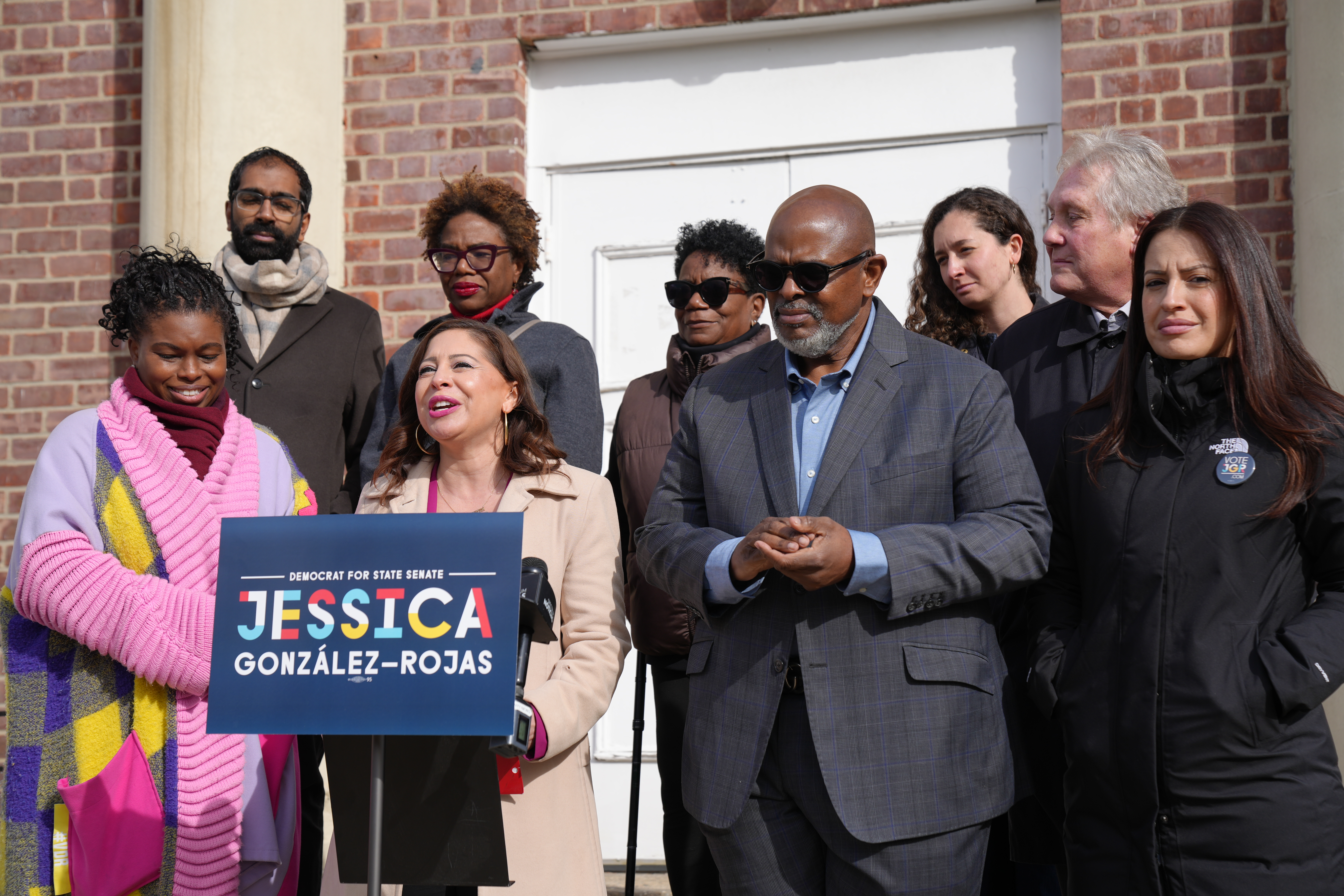
The wounds from COVID-19 still throb in New York’s outer boroughs—prompting some local leaders to argue that a new wave of public investment is vital, lest history repeat itself.
Few New Yorkers who came through March 2020 in Queens recall it with nostalgia. Between the clatter of ambulances and makeshift morgues, Jackson Heights, East Elmhurst and Corona became metonyms for catastrophe, with death tolls peaking among their largely Black and Latino populations. The inquest, six years on, is less concerned with blame than with preparedness: can the city’s hardest-hit neighbourhoods weather the next crisis, or will they once again bear the brunt?
Jessica González-Rojas, an assemblywoman with ambitions for the state Senate, thinks not enough has changed. This month, invoking these battered corners of Queens, she unveiled a plan to rebuild their depleted health infrastructure. Her blueprint demands a web of new primary-care clinics and community health facilities—an investment that, she argues, would redress inequities splayed open by COVID-19 and enable swifter, fairer responses when the next emergency inevitably strikes.
Ms González-Rojas is both a pragmatist and a strategist. The specifics—a call for site-based clinics dotted through three neighbourhoods, with funding coordinated between city and state—are tightly targeted. The ostensible aim is not utopia, but to ensure that access to medical care is no longer determined by a ZIP code, lineage or income bracket.
The argument is difficult to gainsay. At the pandemic’s height, Elmhurst Hospital, the local safety-net provider, was so deluged that its corridors stacked with patients echoed across national headlines. Many local families, especially those comprising essential workers, suffered grievously—often with little recourse except resilience. That is an admirable trait, Ms González-Rojas concedes, but no substitute for resources.
These calls for “real investment”—her words—raise straightforward local implications. Eastern Queens remains clinics-poor. Primary-care “deserts” correlate ominously with high rates of chronic disease. If realised, a denser network of public health sites could reduce pressure on hospitals, ease health outcomes, and lower barriers for preventive care—improvements which, for many residents, might mean longer lives.
Yet the real test will be material, not rhetorical. Expanding community-based healthcare commands enthusiasm at ribbon-cuttings, but budgets are less malleable than resolve. The city and state, both under fiscal strain, might blanch at fresh commitments. The political fight—a Senate nomination looms in 2026—may itself determine how quickly these initiatives move from blueprint to bricks.
There are wider stakes, too. Disparities in health provision across New York remain yawning and consequential. Data from the city’s health department last year spotlighted a persistent 10-year life-expectancy gap between wealthier, whiter districts and the low-income, immigrant-laden precincts of Queens and the Bronx. COVID-19 only widened those gulfs, with the hardest-hit communities still scrambling to catch up.
Should Ms González-Rojas have her way, the change might be more than parochial. It would represent a modest but clear shift in political priorities: from hospital-centric triage to neighbourhood-based prevention. For decades, American public health has waxed lyrical about “access” and “equity,” but delivered patchier results. If Queens manages to marry intention and outcome, it could point a way forward for cities from Chicago to Los Angeles facing similar fault-lines.
Building for the next calamity
Critics will, correctly, point out that structural deficits cannot be wished away with blueprints alone. Nor are community clinics a panacea. Unless they are adequately staffed, well-integrated and continuously funded, new sites risk becoming little-used outposts—testaments, perhaps, to the city’s talent for spending rather than solving.
Still, global experience offers both caution and encouragement. Seoul and Taipei fared better during COVID-19 partly due to their robust local-care infrastructures. European systems, for all their bureaucratic foibles, tend to blend primary and acute care with greater facility than America’s often sclerotic arrangements. New York’s experiment in community-focused investment, should it materialise, would put theory to the test—one life at a time.
Scepticism, as ever, is warranted. There are paltry guarantees that funding earmarked by legislatures will be shielded from the siren calls of cost-cutting or redirected to shinier, headline-grabbing projects. Yet if the politics align, and fiscal reality meets moral logic, Queens might be able to boast something more solid than rhetoric—namely, a more resilient (and less lopsided) safety net.
To that end, Ms González-Rojas’s plan offers a case study in the schisms and promise of municipal health policy. Her proposal is neither radical nor unprecedented, but it is timely. One suspects that memories of refrigerated trailers outside local hospitals still haunt enough voters to give such ideas a hearing.
Whether the Senate seat she covets will bring her the clout needed to marshal dollars and break bureaucratic logjams is, of course, uncertain. But if New York’s pandemic scars are to yield anything but resigned fatalism, a concerted shift towards local health investment is a plausible (if slow) starting-point.
Grand visions are a New York staple; sustained execution is rarer. In Queens, the real test will not be the unveiling of plans, but their fortitude in the face of fiscal headwinds and political change. History suggests vulnerability is unequally distributed, but so, too, is the opportunity to build anew. And for once, the borough’s fortunes might turn not on resilience, but on readiness. ■
Based on reporting from El Diario NY; additional analysis and context by Borough Brief.