SNAP Recipients in New York Appeal Benefit Theft Denials as Electronic Fraud Soars
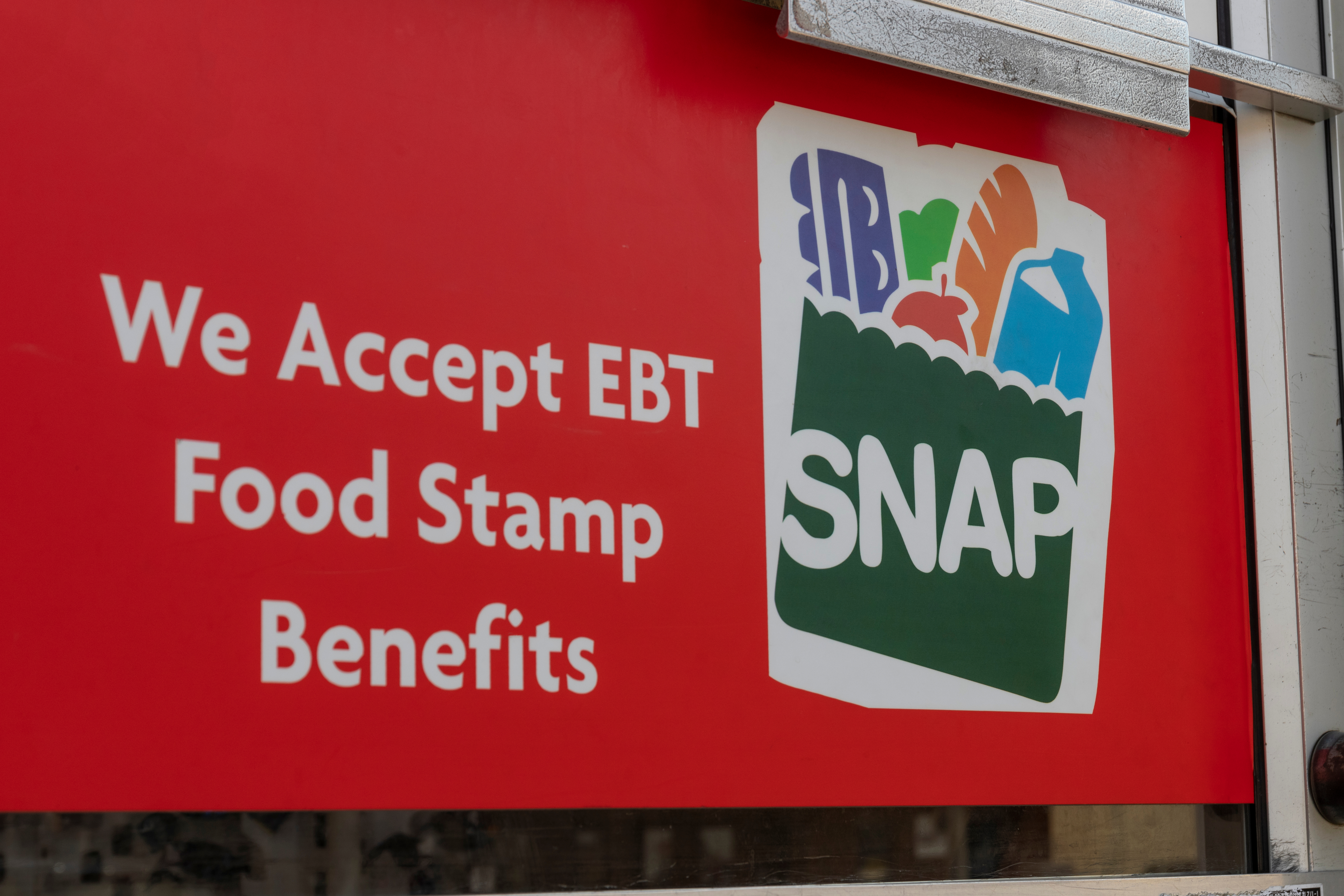
As electronic benefit theft surges, New York’s battle over SNAP fraud in federal court could reshape protections for millions of vulnerable families nationwide.
In the transactional bustle of New York City, a quieter crisis has upended the weekly routines of thousands of its least affluent residents. Last year, more than 1.6 million New Yorkers depended on the Supplemental Nutrition Assistance Program (SNAP)—commonly known as “food stamps”—to put groceries in their carts. Yet many awoke to find their electronic benefit transfers (EBT) pilfered, drained by sophisticated card skimming and cloning operations, with little recourse and even less empathy from officialdom.
The Legal Aid Society and Freshfields US LLP, a powerhouse law firm, are now challenging this predicament in a high-stakes federal appeal. The plaintiffs argue that a longstanding federal regulation prevents low-income families from reclaiming stolen SNAP funds—amounts that frequently represent their sole means of sustenance. The case, lodged before the Second Circuit Court of Appeals, seeks to overturn a lower-court defeat and force the Department of Agriculture (USDA) to allow full reimbursement when bad actors siphon benefits from defrauded families.
The current regime traces back to a 2010 federal rule that sharply circumscribed SNAP reimbursement for theft, reflecting the nation’s shift from paper coupons—easily lost, often replaced by states with little fuss—to digital EBT cards, which were supposed to offer security and convenience. But as technology advanced, so too did the criminals. Card “skimming”—where thieves copy card data surreptitiously from grocery-store readers—has ballooned into an epidemic. According to Legal Aid estimates, at least one in 20 SNAP households in New York has fallen victim to such schemes in the past three years.
For the city, the stakes are considerable. The loss of SNAP benefits is not merely a personal tragedy for the affected households—though it surely is that—but also a blow to public health, child welfare, and economic stability. Food insecurity in the city remains stubbornly high: the City University of New York’s Graduate School of Public Health puts the share of New Yorkers experiencing it at 15%, a figure that tends to climb in the wake of economic shocks or policy blunders.
The second-order effects reverberate well beyond municipal borders. SNAP, after all, is a vital anti-poverty tool whose payout represents both a support to grocers and bodegas, and a stabiliser to the local economy. The program distributed some $7.6 billion in New York state last year. When benefits are abruptly removed from the system—either through bureaucratic fiat or criminal chicanery—neighbourhood grocers lose sales, and public health deteriorates as families resort to food pantries or go hungry. The city’s patchwork food banks are already stretched to breaking point after the end of pandemic-era stimuluses.
If the Second Circuit sides with the plaintiffs, it could ripple across the country. Nationwide, the USDA doles out over $120 billion a year to more than 40 million Americans through SNAP. Skimming scams have multiplied everywhere; in 2023, Massachusetts alone reported $3 million stolen in one quarter. Other states—including Maryland and California—have pressed the Department for relief, only to be stymied by the same federal rule at issue in New York.
Policy, technology, and the shifting terrain of antipoverty aid
Internationally, America’s approach remains notably punitive compared with European social welfare systems, which tend to offer more generous fraud protections. In the United Kingdom, for instance, Universal Credit payments lost due to identity theft or fraud are typically replaced swiftly. By contrast, SNAP’s beneficiaries in America are too often left in the lurch, absent any fault of their own, reflecting a curious mistrust of the poor that is not extended to other payment systems. Visa and Mastercard, for example, make consumers whole when funds are stolen via card fraud, and banks treat unauthorised withdrawals as their problem, not the customer’s.
The case exposes chronic tensions at the heart of America’s safety net: the desire to protect public coffers from fraud, weighed against the obligation to shield the most vulnerable from life-threatening gaps in social support. The USDA argues that permitting routine replacement of stolen funds could encourage carelessness or, worse, feigned victimhood. Yet the data on fraud rates does not support such fears; most SNAP benefit theft is perpetrated by coordinated criminal gangs, not hapless or dishonest recipients.
Policymakers, meanwhile, dither and delay. Congress last adjusted SNAP regulations in the 2018 Farm Bill, offering little additional clarity on reimbursement for theft. Only the state of New York, in fits and starts, has trialled EBT card upgrades with chip technology, but cost and coordination challenges have slowed progress. Nationally, the USDA only began to allow very limited reimbursements for exceptionally recent thefts in 2023—steps that, critics say, are halting and insufficient.
The broader consequence of inaction is a frayed social contract. If New Yorkers lose faith that their anti-hunger programs offer reliable protection, participation may slip. That, in turn, would bode poorly for efforts to reduce inequality and stave off the worst effects of economic shocks—problems not unknown to city dwellers buffeted by layoffs, rent increases, or sudden illness.
Assessing the New York legal challenge, we cannot help but note its peculiar mix of Kafkaesque process and American resolve. The promise of technology was efficiency and inclusion; the reality, for too many, has been a digitised dead end. Yet the courts—slow though they may be—offer a chance not only to right individual wrongs but to reboot the system for a more rational age.
If the Second Circuit finds for the plaintiffs, New York could lead the way in ensuring that a modern safety net is both accessible and secure—a modest but meaningful step towards a more resilient city. In a metropolis renowned for its energy and ingenuity, ensuring the hungry are not victims twice over ought not to seem, as it currently does, an unrealistic ambition. ■
Based on reporting from El Diario NY; additional analysis and context by Borough Brief.