USCIS Freeze on 39 Countries Stalls Thousands Seeking Green Cards and Security
Thousands of New Yorkers face sudden legal and economic uncertainty as a federal immigration pause hampers key migrant pathways, exposing the city’s reliance on global talent and its vulnerability to abrupt policy shifts.
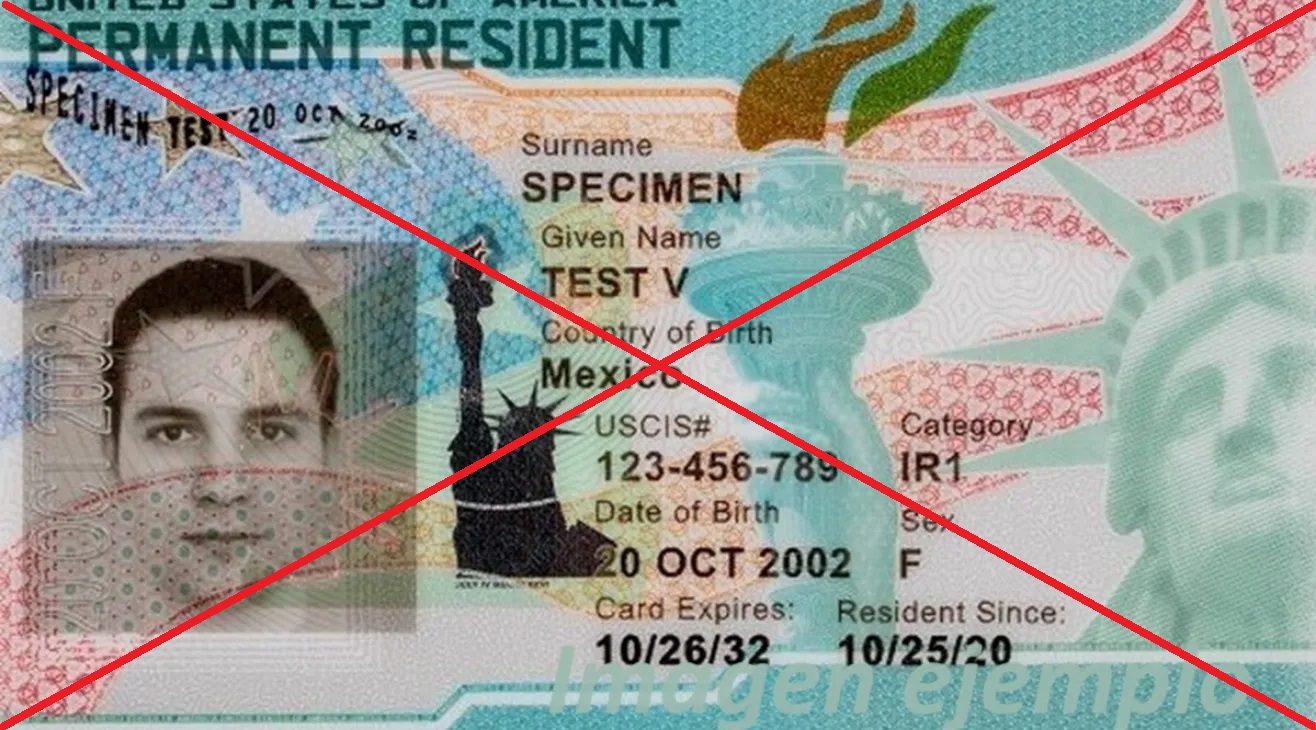
As winter weather batters Gotham, a colder front has arrived for New York’s aspiring residents. In December, the US Citizenship and Immigration Services (USCIS) imposed a freeze on numerous immigration procedures for applicants from 39 countries—among them Nigeria, Myanmar, and Venezuela—upending the legal status and livelihoods of thousands across the five boroughs. The directive, rooted in a new federal travel ban, has abruptly stymied thousands of Green Card and work visa hopefuls, leaving many with little recourse beyond anxious waiting.
The news, which filtered through ethnic media, legal clinics and a flurry of immigrant WhatsApp groups, has already sharpened fears among New York’s foreign-born. At stake are not only routine residency renewals, but also expedited “premium” applications, which can cost hundreds of dollars in hopes of securing work permits swiftly. According to a recent NPR investigation, the effects are acutely personal: stories abound of individuals plunged into financial precarity, abruptly losing jobs or university spots, and gripped by “paralysing anxiety” over their right to live or work in the country.
Although framed as a national security response—the restriction was prompted after an Afghan citizen shot two members of the National Guard in Washington, D.C.—the policy’s reach extends far beyond its rationale, with blanket bans disrupting legal migration from swathes of Africa, Asia, and Latin America. The city’s own mosaic reflects the fallout: skilled professionals and entry-level workers alike have found legal pathways abruptly curbed, imperiling their place in a metropolis that relies keenly on immigrant labor.
For New York, a city where 2.5 million residents—roughly one in three—was born overseas, the implications are not just individual but systemic. Labour markets already under strain from post-pandemic attrition now face the prospect of losing both high-skilled talent and essential workers across care, retail, and hospitality. Employers, suddenly wary of investing in uncertain work authorisation processes, may reconsider hiring or delay urgently needed placements.
The university sector, too, feels the bite. Campuses from CUNY to Columbia count on enrolments from affected countries. Disrupted visa and residence applications mean lost tuition income and, more intangibly, an eroded global cachet at precisely the moment when the city wishes to signal its post-covid openness. “It’s a direct threat to our ability to attract the world’s best minds,” grumbled one admissions officer at a Midtown graduate school.
The financial toll is not puny. The Migration Policy Institute estimates that New York’s immigrant households generate $100 billion in annual income. Even a modest increase in unemployment or interrupted legal status bodes ill for city tax coffers and consumer demand. Anxiety among would-be New Yorkers, meanwhile, sows uncertainty in communities already whipsawed by ICE raids, changing border rules and the varied tempo of federal whims.
A suspension with ripple effects
Nationally, the move fits a longer pattern of federal see-sawing on migration, most acutely under the Trump administration but scarcely resolved since. Previous travel bans and processing pauses, ostensibly to improve vetting or respond to terrorist threats, have tended to cast a wider net than events demand. As with the “Muslim ban” of 2017, broad restrictions have usually done more to inconvenience America’s legal immigrants than to stymie actual security threats. New York, as the flagship port for ambitious arrivals, bears the by-products in jobs, remittances and cultural verve.
Other destination cities watch warily. San Francisco’s tech sector and Miami’s Latin American consulates both recall similar crises when blanket travel bans upended professional and family migration. Yet few cities are as exposed as New York—with its dense tapestry of diaspora communities, international employers and globally mobile students. The current freeze gestures toward a national ambivalence about migration, but its practical effects fall most squarely on the metropolis that has done most to profit from globalisation’s flows.
One could, in charitable moments, acknowledge the federal impulse to protect against badly-vetted arrivals in volatile times. Yet, as the NPR reporting underscores, the reality on the ground is a crude instrument: visa applicants who have lived for years in the US, with steady jobs and clean records, find themselves lumped with new arrivals. The result is less one of surgical risk management than of bureaucratic blunt force.
It is a curious moment for such risk aversion. New York’s economic rebound leans heavily on its capacity to attract and retain foreign-born contributors—from bodega owners to biomedical researchers. To throw up obstacles to legal migration while the city battles demographic decline and stubborn unemployment seems perverse, if not outright self-sabotaging.
For the city’s political stewards, the challenge is twofold: to press federal officials for more discriminating, evidence-based rules, and to provide on-the-ground support—legal aid, emergency income, mental health resources—for those suddenly in limbo. Municipal government was largely blindsided by the breadth of the suspension; advocacy groups now scramble to triage its cascading effects in communities from Flushing to Flatbush.
A dispassionate observer might note that migration policy, like the subway, works best with predictability and clear rules. The alternative is stop-and-start uncertainty, which deters investment and fosters resentment. If New York’s appeal is bound up in its open-armed, opportunistic ethos, it risks real harm when legal migration becomes hostage to federal caprice.
The danger, in sum, is less immediate security risk than gradual reputational drift. Anecdotes of dashed dreams and broken plans can, in aggregate, erode New York’s standing as the world’s premier immigrant city. While this latest pause will likely pass, its shadow will linger—prompting some to prospect elsewhere, and others to sit tight, but all to wonder when next the rules will be rewritten.
Courage, then, for city and nation alike lies in recommitting to processes that are robust, not capricious; vigilant, but porous enough to let in new energy. Above all, a metropolis built on second chances deserves immigration rules that do more to empower than to impede.
■
Based on reporting from El Diario NY; additional analysis and context by Borough Brief.