Williamsburg Restaurant Faces Residential Reboot as $3.2 Million Sale Nears Bridge
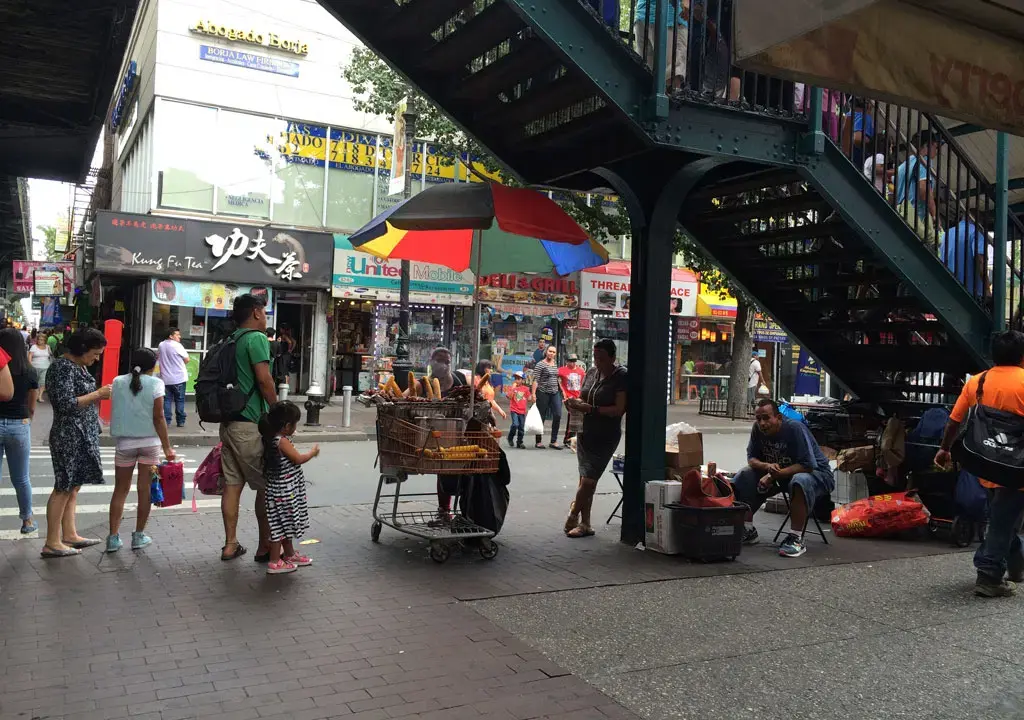
As New York’s eateries face fresh headwinds, the conversion of Williamsburg restaurants into apartments portends changing priorities for the city’s ever-prized real estate.
On a windswept block tucked beneath the Brooklyn side of the Williamsburg Bridge, a modest former Vietnamese restaurant stands as the latest harbinger of New York’s ceaseless shape-shifting. In late spring, a developer filed plans to raze the onetime Bia eatery at 67 South Sixth Street, replacing it with a four-storey, eight-unit residential building. Evidence of Brooklyn’s metamorphosis accrues floor by floor, transaction by transaction; yet even here, where change is a local pastime, the shift from noodles to new homes is hard to ignore.
The plans, submitted by Yitzchok Berkowitz to the Department of Buildings in early June, comprise 6,400 square feet—majority residential, modest ground-floor commercial space, and a sliver for community use. Though it remains unclear whether Berkowitz is the ultimate buyer, or whether the units will be rented or sold, the paperwork is telling. The property’s current owner, a Bay Ridge-based entity with a century-long grip on the site, is in contract to sell for a reported $3.2 million, with closing pencilled in for the month’s end. William O’Brien, a veteran from M.C. O’Brien, the brokerage handling the sale, demurred when pressed for specifics.
On paper, this is just another quiet Brooklyn infill project. Yet its context is instructive. The rambling low-slung building began as a stable for delivery horses, graduated through the decades to trucking and auto repair, and in the 2010s found new lease—as many Brooklyn warehouses do—as a bar and restaurant. Now that cycle is ending, with residential demand once again trumping a once-buzzy eatery.
For Williamsburg, the conversion is notable for its rarity as much as its symbolism. While the pandemic propelled a mini-boom of office-to-residential overhauls in Manhattan—converting vast, half-empty corporate spaces into viable housing—Brooklyn’s restaurant and retail buildings have been largely spared the wrecking ball. In a neighbourhood where luxury condos and “Gram-worthy” cocktail lounges have multiplied along redeveloped waterfronts, the eclipse of a long-serving ground-floor restaurant hints at broader pressures.
The first implication for New York is a familiar arithmetic: the city’s housing shortage remains acute. Each new residential project, even one so modest as eight apartments, is a drop in the city’s oceanic demand, potentially easing upward pressure on rents. Planners and mayoral aides fret that supply is lagging far behind annual need. Williamsburg’s population boom and consequent boomlet in luxury development mean any nudge to supply—no matter how small—registers in local politics and in the spreadsheets of landlords.
For businesses, though, the story is more ambiguous. North Brooklyn’s retail market, far from moribund, has been the borough’s star performer. Last year, the district accounted for a quarter of Brooklyn’s entire retail transactions by dollar volume. Sales soared 27% to $678 million, up from $534 million in the preceding year, according to Crain’s. Yet commercial tenants—especially restaurateurs—face unrelenting cost pressures: rising wages, pricey ingredients, and fickle foot traffic. As landlords weigh residential yields against struggling eateries, more conversions may start to tempt even those with long memories.
Beyond the site’s boundaries, the story picks up national themes. The post-pandemic American city is still groping for its next normal. Urged on by hybrid work and sclerotic office demand, New York, like San Francisco and Chicago, has welcomed talk of “adaptive reuse”—turning just about anything into apartments. Yet most such conversions target hulking commercial structures, not petite restaurants with kitchen grease and local lore. Brooklyn’s waterfront, awash in cranes and design magazines, is less a laboratory for conversions than a showcase for ground-up luxury builds. The demise of a neighbourhood pit stop for housing—even a handful of units—signals that supply-side answers in New York may take on humbler forms where they can.
Changing tastes, persistent shortages
As ever, New York’s political classes talk up the need for more homes, not fewer. Less remarked on are the small-scale, almost invisible transitions—like this Williamsburg site—that incrementally reconfigure neighbourhoods. The city’s zoning code makes such switches clumsy, and in many cases, expensive. Community resistance often arises, particularly if the new units are feared to accelerate gentrification or diminish the “character” that drew newcomers in the first place.
For tenants, the news is mildly heartening but unlikely to shift the dial. Eight flats will not douse Brooklyn’s raging rent inflation, nor will a modest commercial footprint restore the vanished conviviality of corner restaurants. One suspects, though, that these mutations will add up over time—chipping away at imbalances house by house, storefront by storefront.
Beyond real estate arithmetic, what of the city’s soul? Williamsburg has long marketed itself, as much for locals as for international headlines, as a cradle of coolness, with dining scenes that oscillate between trendy and totemic. The loss of a restaurant, set against a region still commanding the lion’s share of Brooklyn’s retail action, feels less like a death knell than a pause for breath.
Compared with global peers, New York’s churn is nothing new. In Tokyo, apartments pop up where bakeries once stood; in London, flats squeeze into corners above betting shops. What distinguishes the city is the scale—the relentless, micro-level negotiation between commercial viability and residential desperation.
We reckon policymakers should draw several lessons. First: even in trend-setting neighbourhoods, real estate pragmatism trumps nostalgia. Second, the incremental accretion of new homes—however paltry compared to need—remains preferable to inertia. Third, regulatory flexibility, especially at the city’s commercial-residential seams, could unlock far more potential than grand gestures. Ingenuity, not grandiosity, will keep New York’s streetscapes liveable.
After all, cities remain living things, their boundaries shaped by economic weather and shifting appetites. In Williamsburg, as elsewhere, the walls that once rang with laughter and clinking glasses may yet cradle the quieter comforts of home. The city that never sleeps adapts even as it dreams. ■
Based on reporting from Section Page News - Crain's New York Business; additional analysis and context by Borough Brief.